Crypto scams in 2026 are not only about fake coins. The fastest-growing threats use AI impersonation, fake customer support, wallet drainers, recovery scams and Bitcoin ATM pressure tactics. That makes this topic important for beginners and experienced crypto users alike.
Why crypto scam searches are rising in 2026
Crypto scam searches rise when more people enter the market, but the 2026 wave is different. Scammers now combine old pressure tactics with AI-generated messages, fake videos, fake support agents and more convincing investment dashboards.
Chainalysis has warned that scams with AI-linked infrastructure can generate much higher revenue per operation than traditional scams. The lesson is simple: the scam may look professional, personalized and urgent, even when it is completely fake.
AI impersonation makes fake support more believable
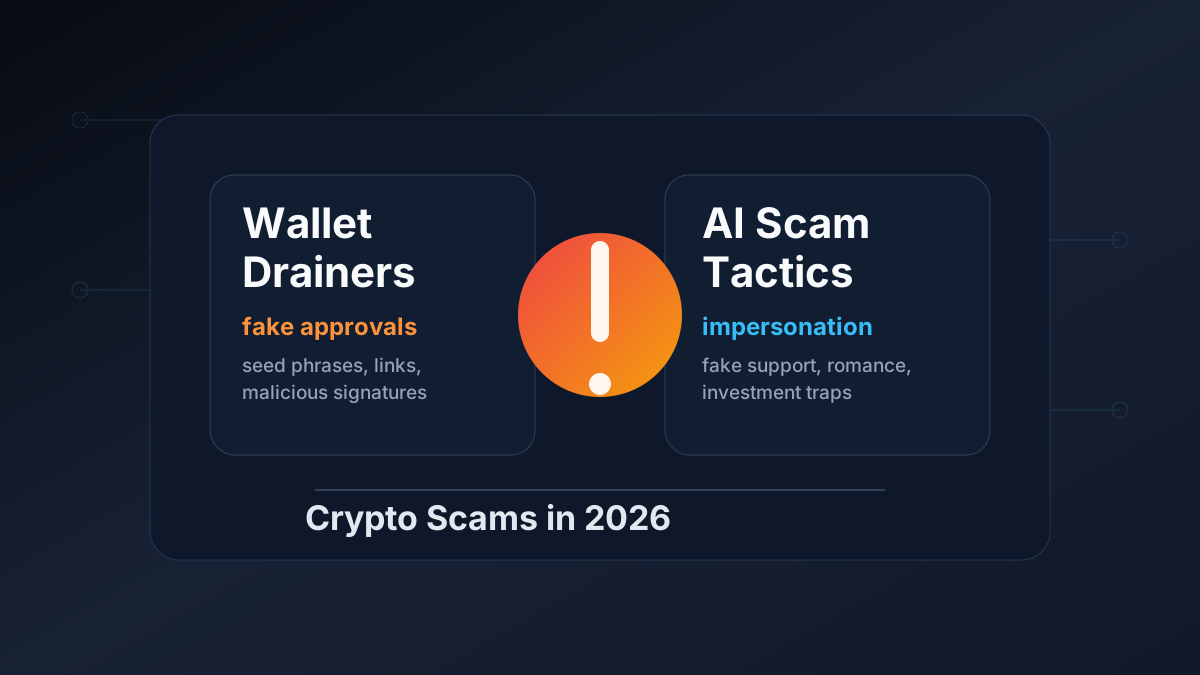
Fake support scams usually begin with a message, pop-up, email or social media account pretending to represent an exchange, wallet provider, government agency or crypto project. The scammer then pushes the user to reveal a seed phrase, install remote-access software or sign a malicious wallet transaction.
AI makes this more dangerous because messages can be cleaner, faster and more personalized. A fake support agent can imitate a brand tone, translate messages naturally and create documents that look official.
Wallet drainers are still one of the biggest threats
A wallet drainer does not always need your seed phrase. In many cases, the attacker only needs you to connect a wallet and approve a malicious transaction. Once the approval is signed, funds or NFTs can be moved quickly.
The warning signs include unknown mint pages, fake airdrops, urgent claim windows, wallet pop-ups asking for broad approvals and links shared through compromised social accounts. If a page asks for an approval that you do not understand, stop.
Bitcoin ATM fraud is getting attention from the FBI
The FBI's IC3 published 2025 cryptocurrency kiosk complaint data in May 2026. It reported more than 13,400 complaints involving crypto kiosks and losses over $388 million, with more than half of complaints involving people over 50.
The typical pattern is high pressure. A scammer tells the victim to withdraw cash, go to a cryptocurrency kiosk, scan a QR code and send funds. The story may involve taxes, police, a bank emergency, a fake romance partner or a supposed investment opportunity.
Recovery scams target people twice
After someone loses crypto, a second scam often appears: the recovery scam. A fake investigator, hacker, law firm or government contact claims they can recover the funds, but first asks for a fee, deposit, software license or gas payment.
This is especially cruel because it targets people who are already under stress. Legitimate investigators do not guarantee recovery, and no real agency asks victims to pay crypto to unlock stolen crypto.
How to check before you click
Use official URLs typed manually into the browser, not links in messages. Never share a seed phrase. Never install remote-access software because a stranger asks. Never send funds through a crypto kiosk because someone on the phone says it is urgent.
For wallet activity, read the transaction request before signing. If the wallet approval looks confusing, stop and research it. For large amounts, use a hardware wallet, small test transactions and separate wallets for risky minting or airdrop activity.
What to do if you already sent funds
If you believe you were scammed, collect transaction IDs, wallet addresses, screenshots, phone numbers, domains, emails and receipts. The FBI IC3 specifically asks victims to include transaction IDs, wallet addresses and kiosk location information when available.
Report quickly through official channels such as IC3.gov, the FTC, local police and the exchange or kiosk operator involved. Fast reporting does not guarantee recovery, but it gives investigators better evidence.
Bottom line
Crypto scams in 2026 are dangerous because they look less amateur than before. AI, fake support, wallet drainers and Bitcoin ATM pressure tactics can make even careful users hesitate.
The safest rule is boring but effective: never trust urgency, never reveal a seed phrase, never sign what you do not understand, and never send crypto because a stranger or fake authority demands it.
Disclaimer: This article is for informational purposes only and does not constitute financial, investment, legal, or tax advice. Cryptocurrency markets are highly volatile. Always do your own research before making any financial decision.