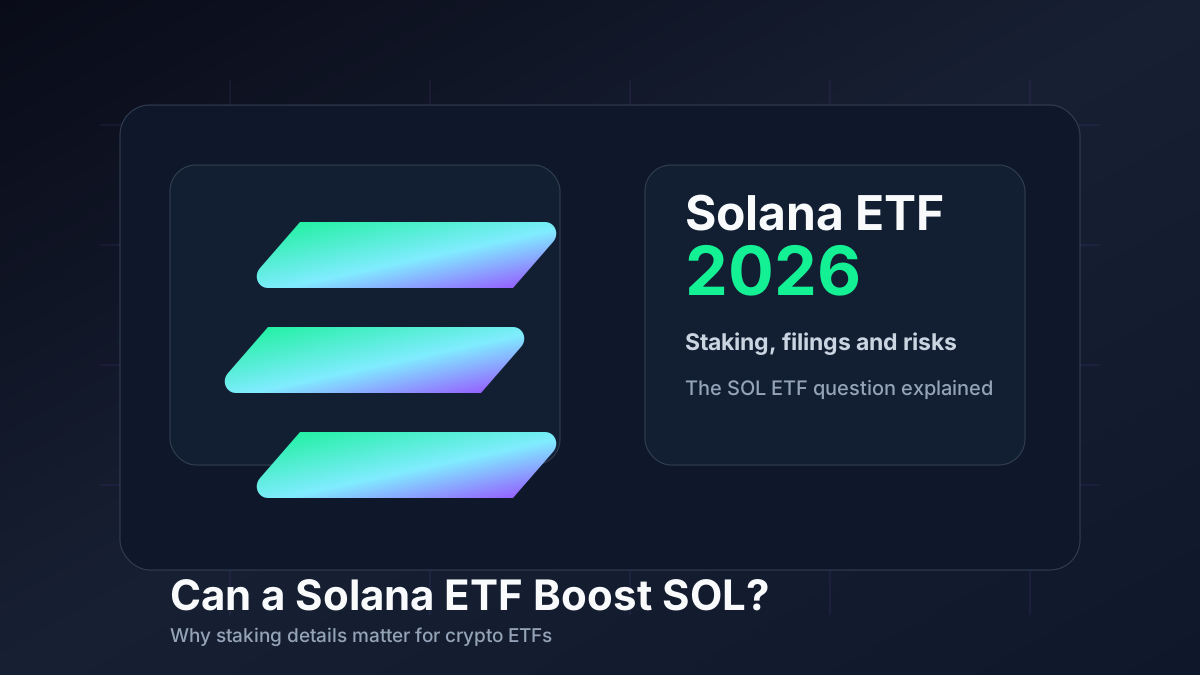
Solana ETF 2026 searches are rising because investors want to know whether SOL can follow Bitcoin and Ethereum into broader regulated investment products.
The most interesting part of the Solana ETF conversation is staking. Unlike Bitcoin, Solana is a proof-of-stake network, so ETF issuers must explain how staking could work inside a regulated fund.
Why Solana ETF Searches Are Growing
Solana is one of the most watched large-cap crypto networks because of its speed, active developer ecosystem and role in trading, DeFi, NFTs and consumer crypto apps.
Investors are searching for Solana ETF updates because a regulated product could make SOL exposure easier for brokerage accounts, retirement platforms and advisors.
What Recent Filings Show
CryptoTimes reported that Morgan Stanley Investment Management filed an amended registration statement for a proposed Solana ETF, adding details on staking, custody and operations. The report said the proposed trust would list on NYSE Arca under the ticker MSOL, subject to approval.
Official SEC materials also show Solana ETF-related filings and reports, including a 21Shares Solana ETF quarterly report and Grayscale Solana Trust registration materials.
Why Staking Is the Big Question
Staking is central to Solana because validators help secure the network and stakers may receive rewards. For an ETF, that raises practical questions: who stakes, who receives rewards, how liquidity is managed and what happens if assets are temporarily locked or operational issues occur.
Staking can make a product more attractive, but it also introduces complexity. Regulators, custodians and issuers need clear procedures before investors can judge the risk.
Solana ETF vs Holding SOL Directly
A Solana ETF can simplify access, especially for investors who do not want to use wallets or exchanges. But ETF holders do not control SOL directly and may not receive the same benefits or flexibility as direct holders.
Direct SOL ownership offers wallet control and potential on-chain use. ETF ownership offers regulated market access, but with fees, fund rules and brokerage limitations.
Could a Solana ETF Boost SOL?
A Solana ETF could create a new demand channel if it attracts steady inflows. The Bitcoin ETF experience showed how regulated access can matter when institutional and advisory demand is strong.
Still, a Solana ETF would not guarantee higher prices. SOL would remain exposed to network risk, competition, crypto liquidity and broad market cycles.
Risks Investors Should Watch
- Staking risk: rewards may involve operational and regulatory complexity.
- Custody risk: funds depend on secure storage and clear procedures.
- Liquidity risk: ETF shares and underlying SOL must both trade efficiently.
- Network risk: outages or technical issues can affect confidence.
- Competition: Ethereum, Layer 2s and other chains compete for users and developers.
- Flow risk: ETF headlines matter less than sustained inflows.
What To Watch Next
Investors should watch amended filings, staking language, custodians, fee structures, exchange listing notices and early assets under management if products trade.
The strongest signal would be sustained inflows after launch. A weak launch or unclear staking terms would make the ETF story less powerful.
Bottom Line
Solana ETF interest is one of the most important altcoin ETF stories of 2026. The opportunity is access. The challenge is staking complexity. Investors should focus on filings, flow data and risk disclosures rather than hype.
Crypto Disclaimer
This article is for informational purposes only and does not constitute financial, investment, legal, or tax advice. Cryptocurrency markets are highly volatile. Always do your own research before making any financial decision.